Crossways Residential Care Home
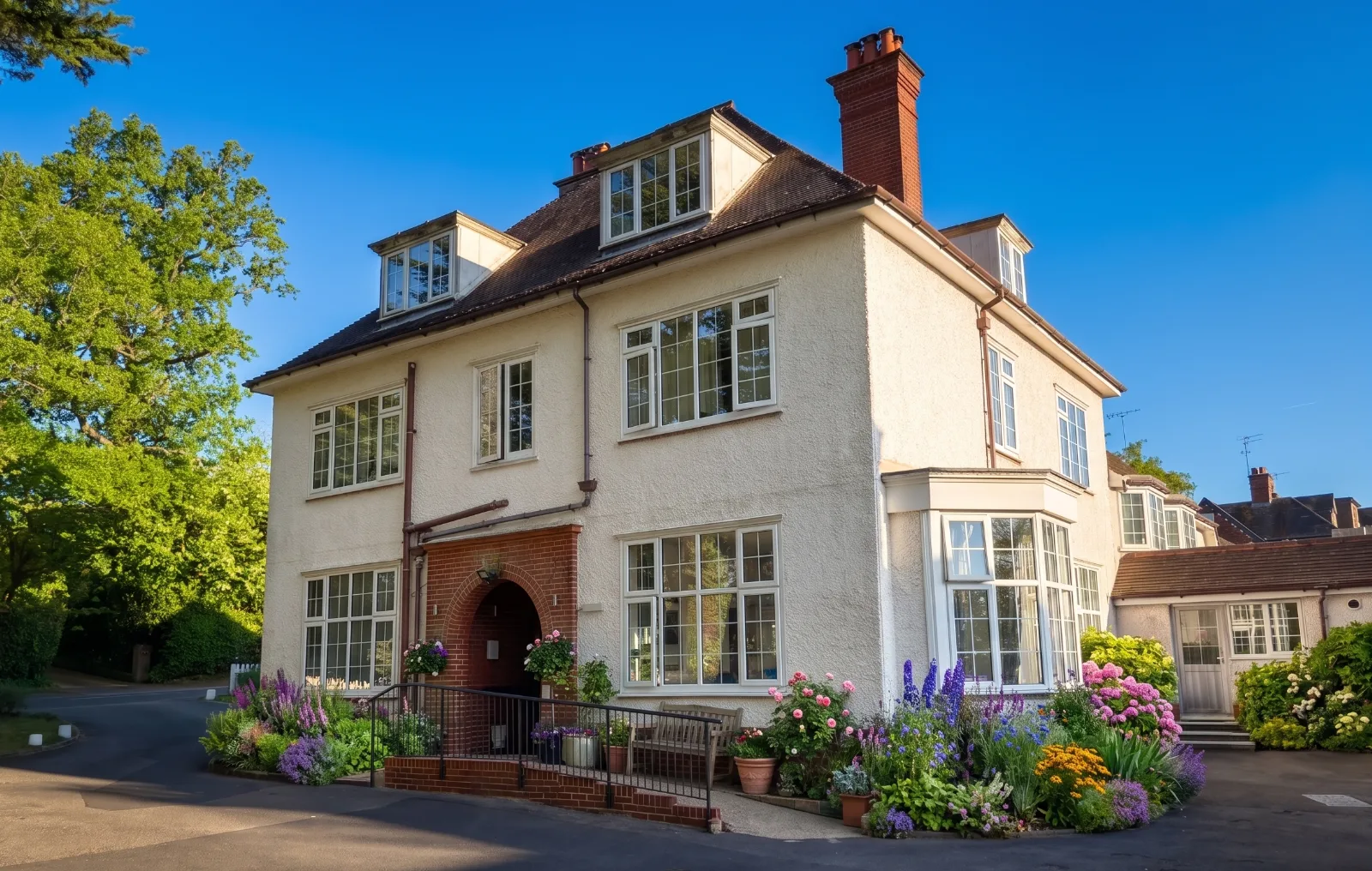
Crossways Residential Care Home is a residential care home in Lindfield, West Sussex (RH16 2AA). It holds a CQC rating of Good.
About Crossways Residential Care Home
Crossways is a care home for the elderly, housed in a beautiful detached house in the exclusive area of Lindfield close to Haywards Heath. We are registered to accommodate up to twenty five people aged 65 and over, including married couples and partners, and we also offer respite. Our aim is to enable our residents to continue living as independently as possible by receiving 24 hour care and support. Our policy is to provide a secure, relaxed and homely environment in which the care, well being and comfort of our residents are of prime importance. Our rooms are all individually decorated and residents are encouraged to bring their own personal possessions to create a home from home feel. We value each and every individual who comes to live at Crossways and welcome applications from people from all walks of life. You are assured that you will be treated with respect and dignity according to your individual needs and wishes. Life at Crossways is about creating a true home, not just providing care. Each day is shaped around the individual, from familiar routines and favourite activities to meaningful social moments.
Care provided at Crossways Residential Care Home
- Older person care
- Dementia care
- Respite care
- Registered for up to 25 residents
- Last CQC inspection: 16 August 2019
Read the full inspection report on the CQC website.
Common questions about Crossways Residential Care Home
Where is Crossways Residential Care Home located?
Crossways Residential Care Home is a residential care home in Lindfield, West Sussex, RH16 2AA. You can view its exact location and get directions from the map on this page.
What type of care does Crossways Residential Care Home provide?
Crossways Residential Care Home is registered to provide residential personal care, with support that includes Older person care, Dementia care, Respite care. The full list of services is shown on this page.
What is Crossways Residential Care Home's CQC rating?
Crossways Residential Care Home is registered with and inspected by the Care Quality Commission (CQC). Its most recent overall rating is Good following its last inspection on 16 August 2019. You can read the full CQC report from the link on this page.
Does Crossways Residential Care Home offer respite or short-term care?
Yes. Crossways Residential Care Home offers respite and short-term care, as well as longer-term placements. Availability changes regularly, so it is best to enquire directly.
How much does Crossways Residential Care Home cost?
Fees at Crossways Residential Care Home typically range from £1,400 to £1,600 per week, depending on the level of care needed. Use our funding tools to estimate what financial support you may be entitled to.
How many beds does Crossways Residential Care Home have?
Crossways Residential Care Home is registered for up to 25 residents. Contact the home to check current availability.
More about the care at Crossways Residential Care Home
Respite Care at Crossways Residential Care Home
Short breaks usually need booking well in advance, particularly around holidays, and most homes ask for a minimum stay of one or two weeks. Pack comfortable clothing, toiletries, current medication in its original packaging, and a few familiar items for the room. Respite at Crossways can also serve as a trial run before any decision about permanent care, so ask about availability, minimum stays and what a typical day looks like.
Permanent Care at Crossways Residential Care Home
Settling in for the long term often begins with a trial period, followed by a review after the first few weeks to check the placement is working. Fees can change over time as needs increase or as annual rates are updated, so ask Crossways how reviews are handled and how any changes are communicated. Bringing photographs, small furniture and personal possessions helps a room feel like home from the first night.
Residential Care at Crossways Residential Care Home
Residential care covers help with daily living rather than clinical nursing tasks, so it suits older people who need support with personal care, meals, laundry, medication and company but do not require care from a registered nurse. Where nursing needs develop, a district nurse or GP is usually brought in, or a move to a nursing home may be discussed. Crossways in Lindfield is registered for residential care for up to twenty five people aged 65 and over, in a detached house close to Haywards Heath. Families should ask how meals and menus are planned, what activities happen during a typical week, and how the home responds if a resident's needs increase. Indicative weekly fees in the South East run from about £1100 to £1450, while West Sussex County Council usually funds around £800 to £950.
Older Person Care at Crossways Residential Care Home
Everyday help for older people usually means a hand with washing and dressing in the morning, prompting or administering medication at the right times, support at mealtimes, and the quieter but equally important work of companionship through the day. Crossways is registered to provide this kind of personal care for people aged 65 and over in Lindfield, and the CQC rated the home good at its August 2019 inspection. Families comparing homes in West Sussex should ask how morning and evening routines are organised, how staffing changes overnight, and how call bells are answered after dark. It is also worth asking how medication is recorded, how GP visits are arranged, and how staff get to know a new resident's preferences. Weekly fees across the South East typically sit between £1100 and £1450.
Mild Dementia at Crossways Residential Care Home
In early stage dementia, most people still manage much of their own day but benefit from gentle prompting, predictable routines and reassurance when memory slips. Crossways is registered to support mild dementia alongside general older person care. Ask how the home helps residents keep familiar habits, how changes in memory are noticed and shared with families, and whether staff have experience supporting people who are still largely independent.
Explore more